



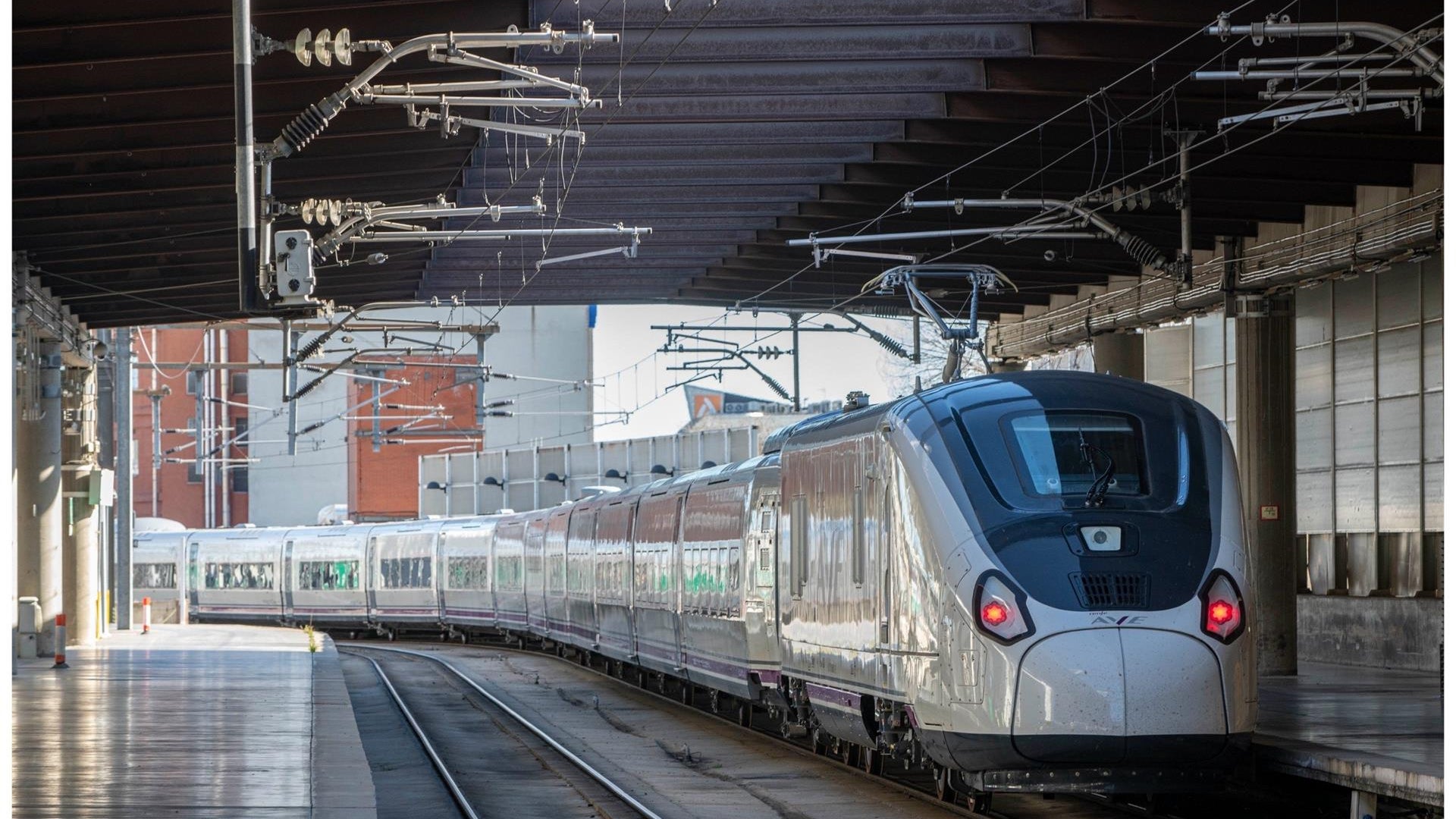
Renfe has lost another battle in the «war of the workshops» it is fighting against its competitors Ouigo and Iryo. La CNMC ha instado a la operadora pública para permitir que Ouigo utilice sus talleres en Cerro Negro/Santa Catalina y Fuencarral (Madrid) y Can Tunis (Barcelona), ya que se consideran compromisos acordados entre ambas empresas. Desde su inicio en España, Ouigo ha realizado parte del mantenimiento de sus trenes en talleres de Renfe Mantenimiento sin problemas importantes. Según Competencia, en enero de 2025, el acuerdo de reserva de capacidad de este operador pasó a ser plurianual (2025-2030) después de que Renfe Mantenimiento ofreciera descuentos en el precio para extender la duración de sus compromisos a todas las empresas ferroviarias. Several months later, Renfe Mantenimiento reduced the capacity granted to Ouigo as some of the planned operations were deemed to be heavy maintenance and could not be carried out in light maintenance workshops. The CNMC has concluded that the disputed operations, consisting of dismantling and assembling components whose repair is carried out outside the workshops, constitute «basic maintenance services» and, therefore, according to the Railway Sector Law, all railway companies must be able to perform them in existing workshops. Competition has also found that Renfe Mantenimiento allocated capacity to Renfe Viajeros for technically equivalent interventions. Therefore, it is believed that the denial of access to Ouigo and the treatment given to this operator are contrary to the current regulations. As a result, Competencia requests that Renfe Mantenimiento allows Ouigo to access the Cerro Negro/Santa Catalina, Can Tunis, and Fuencarral workshops, as agreed upon in the capacity allocation agreement. The decision highlights the importance of Renfe Mantenimiento having detailed information on the maintenance needs of the operators to manage workshop capacity and prioritize the most frequent and essential operations for the daily provision of railway services. Additionally, Ouigo must provide that information within the framework of their capacity allocation agreement. Iryo case file. The CNMC resolution adds to the sanction file that has been opened against Renfe for not allowing Iryo to access their repair and maintenance workshops, despite being instructed to do so in a previous resolution. Renfe labeled the obligation imposed by the regulator as «disproportionate,» although the reason for denying access to Iryo was that this operator had not provided Renfe with their maintenance needs, as the public company argued. Both the public operator and the Ministry of Transport have been very confrontational towards their competitors’ strategy of not building maintenance facilities in Spain and benefiting from their investments. El ministro de la cartera, Óscar Puente, ha llegado a culpar a la CNMC por permitir que estas dos empresas extranjeras (Iryo y Ouigo) se aprovechen de la infraestructura industrial de Renfe. «¿Tiene usted infraestructura para mantener sus trenes en España?»
Renfe has lost another battle in the «war of the workshops» it is fighting against its competitors Ouigo and Iryo. La CNMC ha instado a la operadora pública para permitir que Ouigo utilice sus talleres en Cerro Negro/Santa Catalina y Fuencarral (Madrid) y Can Tunis (Barcelona), ya que se consideran compromisos acordados entre ambas empresas. Desde su inicio en España, Ouigo ha realizado parte del mantenimiento de sus trenes en talleres de Renfe Mantenimiento sin problemas importantes. Según Competencia, en enero de 2025, el acuerdo de reserva de capacidad de este operador pasó a ser plurianual (2025-2030) después de que Renfe Mantenimiento ofreciera descuentos en el precio para extender la duración de sus compromisos a todas las empresas ferroviarias. Several months later, Renfe Mantenimiento reduced the capacity granted to Ouigo as some of the planned operations were deemed to be heavy maintenance and could not be carried out in light maintenance workshops. The CNMC has concluded that the disputed operations, consisting of dismantling and assembling components whose repair is carried out outside the workshops, constitute «basic maintenance services» and, therefore, according to the Railway Sector Law, all railway companies must be able to perform them in existing workshops. Competition has also found that Renfe Mantenimiento allocated capacity to Renfe Viajeros for technically equivalent interventions. Therefore, it is believed that the denial of access to Ouigo and the treatment given to this operator are contrary to the current regulations. As a result, Competencia requests that Renfe Mantenimiento allows Ouigo to access the Cerro Negro/Santa Catalina, Can Tunis, and Fuencarral workshops, as agreed upon in the capacity allocation agreement. The decision highlights the importance of Renfe Mantenimiento having detailed information on the maintenance needs of the operators to manage workshop capacity and prioritize the most frequent and essential operations for the daily provision of railway services. Además, se exige a Ouigo que proporcione esa información en el contexto de su acuerdo de asignación de capacidad. La decisión de la CNMC se suma al expediente penal que ha abierto a Renfe por no permitir a Iryo acceder a sus talleres de reparación y mantenimiento, a pesar de que se le había ordenado hacerlo. Renfe labeled the obligation imposed by the regulator as «disproportionate,» although the reason for denying access to Iryo was that this operator had not provided Renfe with their maintenance needs, as the public company argued. Both the public operator and the Ministry of Transport have been very confrontational towards their competitors’ strategy of not building maintenance facilities in Spain and benefiting from their investments. El ministro de la cartera, Óscar Puente, ha llegado a culpar a la CNMC por permitir que estas dos empresas extranjeras (Iryo y Ouigo) se aprovechen de la infraestructura industrial de Renfe. «¿Tiene usted infraestructura para mantener sus trenes en España?» If you don’t have it, there are two options: invest and build your infrastructure or take your trains to your country as Renfe does with its French trains, which brings them to Spain to maintain them.


